

Japan has a word for hospitality that goes far beyond good service.
Omotenashi is a deeply rooted cultural value — a quiet, anticipatory care for guests that finds its origins in the ancient tea ceremony. It’s not about rules or expectations; it’s about making people feel welcome without asking for anything in return.
When I travelled across Japan with my husband, we encountered omotenashi everywhere. In Nikko, the owner of a beautifully designed traditional house ( an architect by profession )came to pick us up in his original Fiat Panda. Later, in a traditional family home in the Japanese Alps, we were welcomed with the most delicious home-cooked food.
But rising visitor numbers are putting this treasured hospitality under pressure.
The Challenge of Overtourism
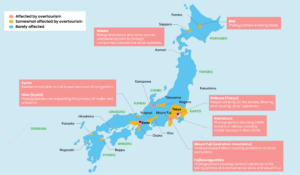
Tourism in Japan has exploded — from fewer than 5 million international visitors in 2000 to nearly 37 million in 2024. Much of this traffic concentrates in Tokyo, Kyoto, Osaka, and Mount Fuji, leaving streets crowded, public transport packed, and cultural sites struggling to cope.
Some examples:
-
Gion, Kyoto: Tourists harassing geishas for photos, despite strict etiquette rules.
-
Mount Fuji: Overcrowded trails causing littering, safety hazards, and new trail fees.
-
Nara Park: Sacred deer affected by plastic waste left behind.
In short, Japan’s hospitality culture and local communities are feeling the strain.
The Undertourism Approach: A Smarter Way to Travel
The good news? Japan is embracing undertourism — spreading visitors to lesser-known regions, preserving culture, and supporting local communities. Only 10% of Japan’s destinations receive 80% of tourists. By exploring the rest, travellers enjoy quieter, more meaningful experiences while helping sustain local life.
Examples of undertourism destinations:
-
Toyama Prefecture: Historic farmhouses, rice paddies, and wood-carving traditions.
-
Shiretoko Peninsula, Hokkaido: Pristine wilderness and wildlife.
-
Hokuriku & Tohoku regions: Samurai heritage, craft villages, and untouched landscapes.
-
Sado Island: Taiko drumming culture with immersive local experiences.
By travelling to these regions, you avoid crowds, enjoy authentic encounters, and contribute to cultural preservation. A win-win for both travellers and communities.

How to Travel Mindfully in Japan
To make the most of your journey and respect local culture:
-
Travel off-peak: Late autumn, early winter, and early spring offer the best experiences with fewer crowds.
-
Choose boutique stays: Family-run ryokans, machiya townhouses, and local inns enrich your experience and support communities.
-
Step off the Golden Route: Explore lesser-known towns, rural villages, and small islands.
-
Engage locally: Join tea ceremonies, craft workshops, or cooking lessons — experiences that connect you to the culture.
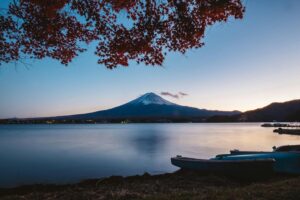
Even iconic destinations like Kyoto and Mount Fuji can be enjoyed more thoughtfully with careful planning: quieter temples, early-morning visits, or lakeside viewpoints that offer stunning views without the throngs.
Your Japanese Adventure, Reimagined
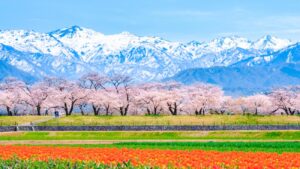
Japan’s culture of omotenashi is precious. Its people shouldn’t have to compromise their traditions for tourism. With mindful planning, you can experience this incredible country fully — from cherry blossoms to snowy onsens, culinary delights to historic towns — while leaving a positive impact on the places you visit.
If you’d like, I can craft a bespoke, crowd-free itinerary for your next Japanese adventure — a journey that blends slow travel, cultural immersion, and off-the-beaten-track discoveries.