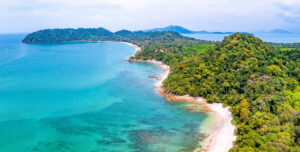
Most people picture Bangkok’s golden temples, Phuket’s busy beaches, or Krabi’s limestone cliffs when they think of Thailand. But if you head south along the Andaman coast and choose a different path, you’ll discover another side of the country. In this region, hot springs bubble, sea nomads influence the culture, Italian-style espresso is unexpectedly popular in a border town, and the islands remain peaceful and car-free.
Welcome to Ranong and Koh Phayam. Ranong is the rainiest part of Thailand, and Koh Phayam is one of its least-known islands. Both places are full of surprises, genuinely authentic, and unlike anywhere else in Southeast Asia.
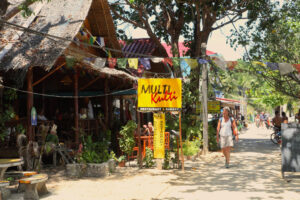
Ranong: The Unexpected Border Town
Ranong isn’t known for glamour. It’s the wettest spot in Thailand, a busy port town on the Myanmar border, it has a small airport, and it’s not on most travellers’ lists. That’s exactly why it’s worth a visit.
Ranong’s name comes from ‘Rae Nong,’ meaning ‘filled with minerals’ in Thai, and it fits. Natural hot springs are everywhere, drawing locals for their healing benefits long before tourists ever came.
What Makes It Special:
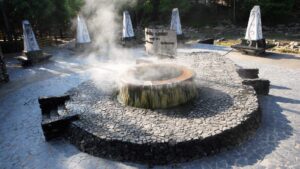
The Hot Springs: Raksa Warin Public Park has Thailand’s first discovered hot spring, with sulphur-free water at 65°C. Locals come for foot soaks or to fully immerse themselves. At ‘The Healthy Park,’ hot cement platforms sit over the spring’s flow, making it a perfect place for hot yoga or simply relaxing tired muscles.
The Hokkien-Chinese Heritage: Ranong’s first governor was Hokkien-Chinese, and his influence remains to this day. You’ll notice it in the ornate shrines, shophouse buildings, and especially the food. Dishes like Yao Ye (a spicy water spinach salad with seafood and crispy toppings) and Chun Piah (deep-fried tofu skin rolls with crab and pork) blend Chinese cooking with Thai flavours. They’re healthy, delicious, and hard to resist.
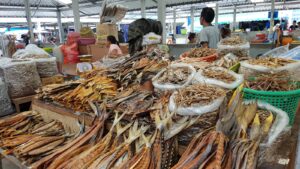
Ranong’s Old Market: This is the city’s heart. From early morning until late at night, the market buzzes with energy. Unlike most Thai markets, you’ll spot Burmese writing on signs, bags of cumin and turmeric beside Thai curry pastes, and a food court serving everything from roast pork noodles to khanom jeen (fermented rice noodles with curry). The market is large, winding through buildings and into the backstreets. It’s a real melting pot shaped by borders, trade, and the sea.
The atmosphere here is gritty and genuine. This is a working town with hidden gems, not a place built to impress tourists.
Koh Phayam: Thailand As It Was
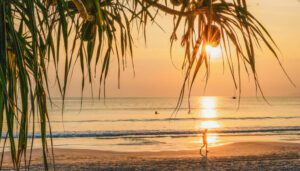
A 90-minute ferry from Ranong takes you to Koh Phayam, where it feels like stepping back in time. There are no cars, tall buildings, or 7-Elevens. Instead, you’ll find beaches, bicycles, and the kind of Thailand many believe has disappeared.
The island isn’t on the usual tourist path. It’s too far from Phuket for day-trippers, too simple for luxury resorts, and too quiet for backpackers who want to party. That makes it perfect for anyone who really wants to escape.
Long Beach (Ao Yai):
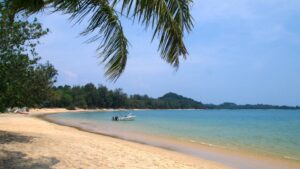
Long Beach (Ao Yai) runs for three kilometres along the southwest coast, covered in soft sand. Even in the busiest season, it stays quiet. You can walk out of a simple beachfront cabin (about 900 baht per night), swim before breakfast, and enjoy a peaceful morning.
Koh Phayam even has surf. Small, steady waves come in every morning and evening, attracting both experienced surfers and beginners. You can rent a surfboard for 150-300 baht per hour, and lessons are available. The sandy breaks are gentle for beginners. Watching surfers gather at dawn, with just the sound of waves and the occasional motorbike on the beach road, you see Thailand at its simplest.
The Hippy Bar:
Don’t let the name fool you. The Hippy Bar isn’t just another reggae-themed beach shack. It’s a multi-level place that looks like a cross between a treehouse and a shipwreck, overlooking Ao Khao Kwai (Buffalo Bay). Made from driftwood and full of character, it’s a great spot to relax on Thai pyramid cushions, have a beer, and watch dhows go by. If you’re lucky, you might spot rare hornbills eating watermelon. It’s a true island favourite.

Ao Kwangpeeb:
For real seclusion, rent a scooter and head to Ao Kwangpeeb. The road gets dusty as you climb the hill. Experienced riders can manage, but most people should park and walk the last 10 minutes. Three trees mark the path down. Keep right, then take the left fork with rice sack steps. At the end, you’ll find a quiet cove, best visited at high tide, where you’ll probably have it all to yourself.
Secret B. There’s a viewpoint and a hidden cove you reach by climbing down 40 uneven steps. At low tide, rocks cover the area, so bring sturdy shoes. At high tide, it turns into your own private spot with clear Andaman water. water.
Where to Eat:
-
Ban Nam Cha: Run by Jess, an English expat, this relaxed spot serves excellent vegetarian and vegan Thai-Burmese fusion dishes. The black pepper tofu is a highlight. Don’t rush; service is slow, but that’s part of the charm. Grab a beer and take it easy.d. Thai-Burmese fusion at the crossroads, with a long menu and solid vegetarian options.
-
Munchies Cafe: Enjoy a comforting meal. Try the comforting Thai clear noodle soup and excellent Penang curry here. It’s a great place for a relaxed brunch.to get around. The island is small but spread out, so it’s too far to walk everywhere but ideal for exploring by bike. Straight roads run through rubber tree plantations, giving you a look at village life and the farming routines that shape Koh Phayam beyond its beaches.
The Cashew Connection:
The island is known for kayu (cashews), especially kayu wan (sweet cashews). Roasted and peeled cashews are a local treat, and even the young cashew leaves (yot) are used in Yam Yot Kayu, a spicy salad with shrimp paste and dried shrimp. This dish is traditional, local, and has a unique flavour you won’t find anywhere else.
The Moken: Guardians of the Andaman
Koh Phayam and the nearby waters are home to the Moken, an ancient group of seafaring people who have travelled the Andaman Sea for thousands of years. They used to live on boats, moving with the monsoons and knowing the tides, fish, and underwater world in great detail. live on islands and work as fishing guides or fish sellers. You might find Moken-led snorkelling trips around Ranong’s national parks. By choosing these, you support living heritage rather than just taking a tour.
Their presence reminds you that this is more than just a beautiful part of Thailand. This coast has deep layers of history, culture, and a strong connection to the sea that no resort can match.
Why They Belong Together
Ranong and Koh Phayam show two sides of Thailand’s forgotten coast. Ranong is the lively gateway, a working border town where cultures mix, hot springs flow, and the food tells stories of migration and trade. Koh Phayam is the escape, an island where life slows down, beaches stay quiet, and you remember what first drew people to Thailand.
Together, these places offer something rare: a part of Thailand untouched by mass tourism. Local life continues; visitors are welcomed as guests, and your stay supports family-run guesthouses, local restaurants, and small businesses rather than international chains.
This is Thailand reimagined:
-
Authenticity over amenities.
-
Discovery over itineraries.
-
The quiet beauty of places still finding their way.
Beyond the ordinary. Beyond the beaches. Beyond the crowds.